
Bathtub installation in Ontario, CA replaces worn, cracked or uncomfortable tubs with new ones that suit your bathroom and the way your household bathes. It’s for Ontario homeowners with chipped or flexing tubs, shallow builder-grade tubs, or a family member who needs an easier way to bathe. We remove the old tub, correct any hidden damage, install the new tub on solid support, then complete the surround and trim. You end up with a comfortable, watertight tub that fits the room.
What’s Involved in Installing a New Tub
- Removing the old tub and its surround, cutting it apart if it’s heavy.
- Inspecting the subfloor and wall framing for water damage.
- Updating drain and supply plumbing and, often, the valve.
- Setting and supporting the new tub so it won’t flex.
- Building a waterproof surround with tile or solid panels.
- Installing the spout, shower head and handles.
When It Makes Sense to Replace a Tub
- The surface is chipped, cracked or stained beyond cleaning.
- The tub flexes or makes noise when you stand in it.
- Water is leaking at the drain or along the wall edge.
- It’s too shallow for a real soak.
- The wall is too high for someone with limited mobility.
- The tub doesn’t match a remodeled bathroom.
What Causes Tubs to Fail
Lightweight tubs common in tract homes can flex over time if their base wasn’t fully supported, eventually cracking. Enameled tubs chip, exposing metal that can corrode. Over the years, sealant along the wall and the gasket at the drain harden and shrink, and water finds its way to the floor. Hard water adds mineral buildup to drains and fixtures, and harsh cleaners used to remove it can wear down finishes.
Tub Styles to Consider
- Alcove tub with shower, the most space-efficient choice.
- Deep soaking tub, for comfortable full-body baths.
- Walk-in tub, with a door and seat for easier access.
- Freestanding tub, as a centerpiece in a larger bathroom.
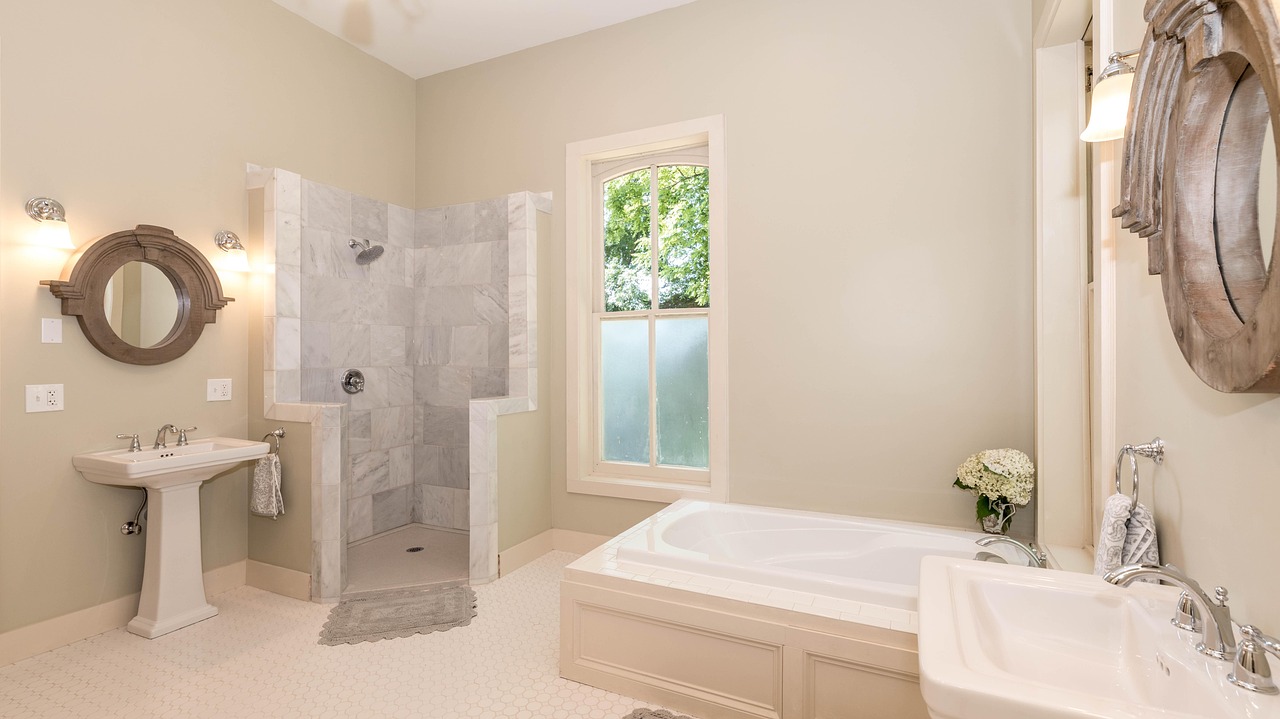
- Drop-in tub, set into a tiled platform with room for ledges.
How We Install a Bathtub
- Visit and measure the space, the plumbing and the route the tub will travel.
- Help you choose a tub, wall finish and trim kit.
- Handle permits when the work calls for them.
- Haul out the existing tub and fix any damage beneath it.
- Set the new tub, connect the drain and support it fully.
- Build the waterproof surround and mount the spout, valve trim and shower head.
- Caulk, clean and review the completed tub with you.
What Affects the Price of Bathtub Installation
- Tub style and material.
- Surround finish, tile or solid panels.
- Plumbing changes, such as a new valve or drain location.
- Removal difficulty, especially for heavy tubs.
- Repairs found once the old tub is out.
- Access, including stairs and narrow halls.
A free in-home visit gives you a firm price.
New Tub or Walk-In Shower?
If the tub sits unused and the home has another one, converting the space with a shower remodel may give you more room and easier access. If baths matter to your family, or you want to keep a tub for resale, replacing the tub is the better choice. Pair the work with vanity installation to complete the room.
Making a Tub Safer to Use
Getting in and out of a tub is where many bathroom slips happen. Adding blocking for grab bars while the walls are open, choosing a tub with a textured floor, placing the controls where they’re easy to reach from outside the tub and adding a handheld shower all make bathing safer for children and older adults alike. These changes cost little during installation but are much harder to add later.
Why It’s Better Not to Wait
A cracked tub or leaking drain lets water into the floor with every bath. Over time that damages subflooring, framing and the ceiling below a second-floor bath. Replacing the tub before damage spreads keeps the project smaller and simpler.
Related services in Ontario